

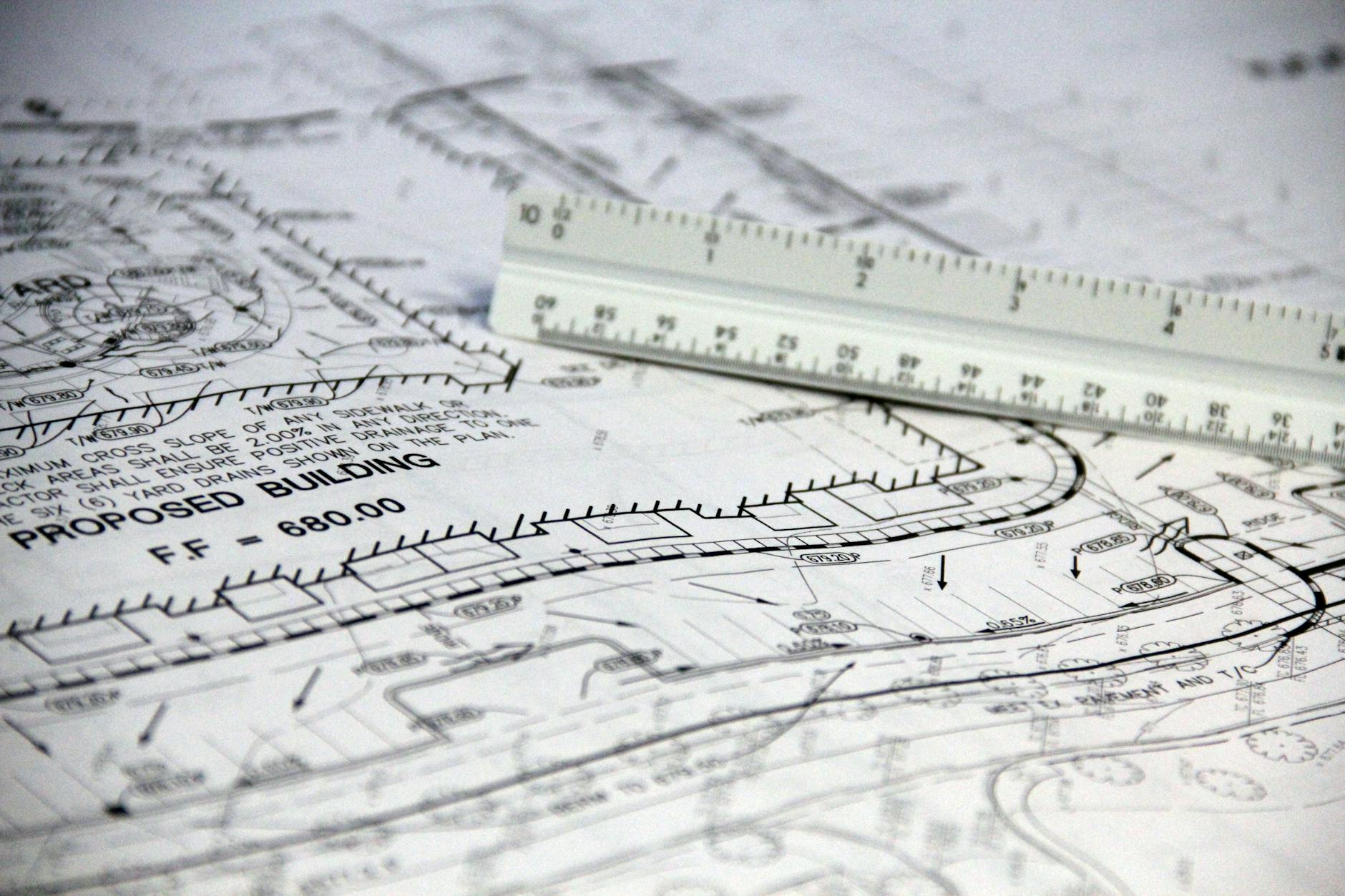
I still remember the first time I worked through a full servicing agreement package.
Up until that point, most of my focus had been on planning, zoning, density, design. Then suddenly, you’re diving into sanitary, storm and water connections.
Every detail mattered.
Had the drawings been coordinated across disciplines?
Did the utilities signed off yet?
Did we have enough info to provide an accurate cost estimate?
Was the estimate high enough to satisfy the municipality—but not so high it tied up unnecessary capital?
It felt like a different layer of development entirely.
They can feel overwhelming at first but they’re also a standard and manageable part of the process once you understand how they work.
Let’s break it down.
What Is a Servicing Agreement?
A servicing agreement is a legal agreement between a developer and a municipality that outlines the infrastructure works required to support a development.
These are typically the civil works needed to connect your project to existing city systems.
It might include:
• Water connections
• Sanitary sewer upgrades
• Stormwater infrastructure
• Road improvements
• Sidewalks and curbs
• Street lighting
• Utility relocations
• Boulevard restoration
The municipality uses the agreement to ensure that infrastructure is built to the required standard and that the developer funds and delivers it.
In most cases, these works must be completed or secured before a building permit is issued.
Different Names, Same Concept
One thing to know is that there’s no single universal name for this agreement.
Depending on the jurisdiction, you might see:
• Subdivision Servicing Agreement (SSA)
• Off-Site Works Agreement
• Development Agreement
• Works and Services Agreement
• Site Servicing Agreement
Drawings, Coordination, and Approvals
These agreements take some work to complete.
Before a servicing agreement can be finalized, you typically need:
• Detailed civil design drawings
• Coordination across disciplines (civil, electrical, landscape, etc.)
• Utility company review and approval
• Municipal engineering approval
• A defensible cost estimate
At this stage, the margin for error shrinks.
If drawings aren’t aligned, you’ll be delayed.
If utilities aren’t on board, timelines slip further.
If the estimate isn’t credible, it won’t be accepted.
It’s a more technical phase of development and one that requires a strong consultant team and stronger communication.
Securities, Bonding, and Contingencies
Once the scope of work is defined, the next step is financial.
Municipalities require developers to provide security to guarantee completion of the works. If the developer doesn’t finish the work for whatever reason, the municipality wants to have the funds to be able to step in and complete the job.
This is typically provided as:
• Letters of credit
• Surety bonds
• Cash deposits
The amount is based on the engineer’s cost estimate.
Most municipalities require a contingency buffer, often bringing total security to 120% to 150% of the estimated construction cost.
On top of that, there may be:
• Engineering review fees
• Inspection deposits
• Administration fees
That contingency isn’t arbitrary. It protects the municipality if costs escalate or if they need to step in and complete the works.
But, for developers, it means real capital is tied up for an extended period of time, so we need to be ready and plan for it.
Construction, Inspections, and the Maintenance Period
Servicing agreements also define how the works are delivered and accepted.
A typical process looks like:
- Construction of off-site works
- Ongoing municipal inspections
- Substantial completion
- Maintenance period (often one year)
- Final acceptance
During the maintenance period, the developer is responsible for fixing any deficiencies.
A portion of the security is usually held back until final acceptance, meaning not all capital is released right away.
Every Municipality Is Different
One of the most important things to understand is that servicing requirements vary by jurisdiction.
Differences can include:
• Required security percentages
• Fee structures
• Inspection processes
• Maintenance period length
• Scope of required off-site works
For some projects, requirements may extend well beyond the site itself.
You may be required to upgrade:
• Adjacent roads
• Nearby intersections
• Sidewalk networks
• Water or storm systems several blocks away
This is why servicing should never be treated as a late-stage detail. Its also why it can be beneficial to hire a civil engineer who is familiar with the specific city you’re working in.
What to Think About Early
Offsite works and servicing agreement requirements should be considered early during due diligence and feasibility.
Some key questions:
• Are there known infrastructure constraints in the area?
• Could the project trigger off-site upgrades?
• Are utilities at or near capacity?
• How large might the required securities be?
• Do we have financing in place to provide the bonding?
These aren’t always easy to answer upfront but asking them early helps avoid surprises later.
Final Thought
That first servicing agreement can feel like a lot.
There are more drawings, many stakeholders, and significant financial considerations.
But it’s also a huge milestone, when your project starts to take real shape and becomes connected to its surroundings.
Could Your Project Benefit From Expert Guidance?
If you’d like confidence before moving forward, SiteMentor Development Consultants provide industry-best development feasibility reports that identify what your property can realistically support, highlights potential constraints, and helps you determine the development strategy that makes the most sense for your goals.


