

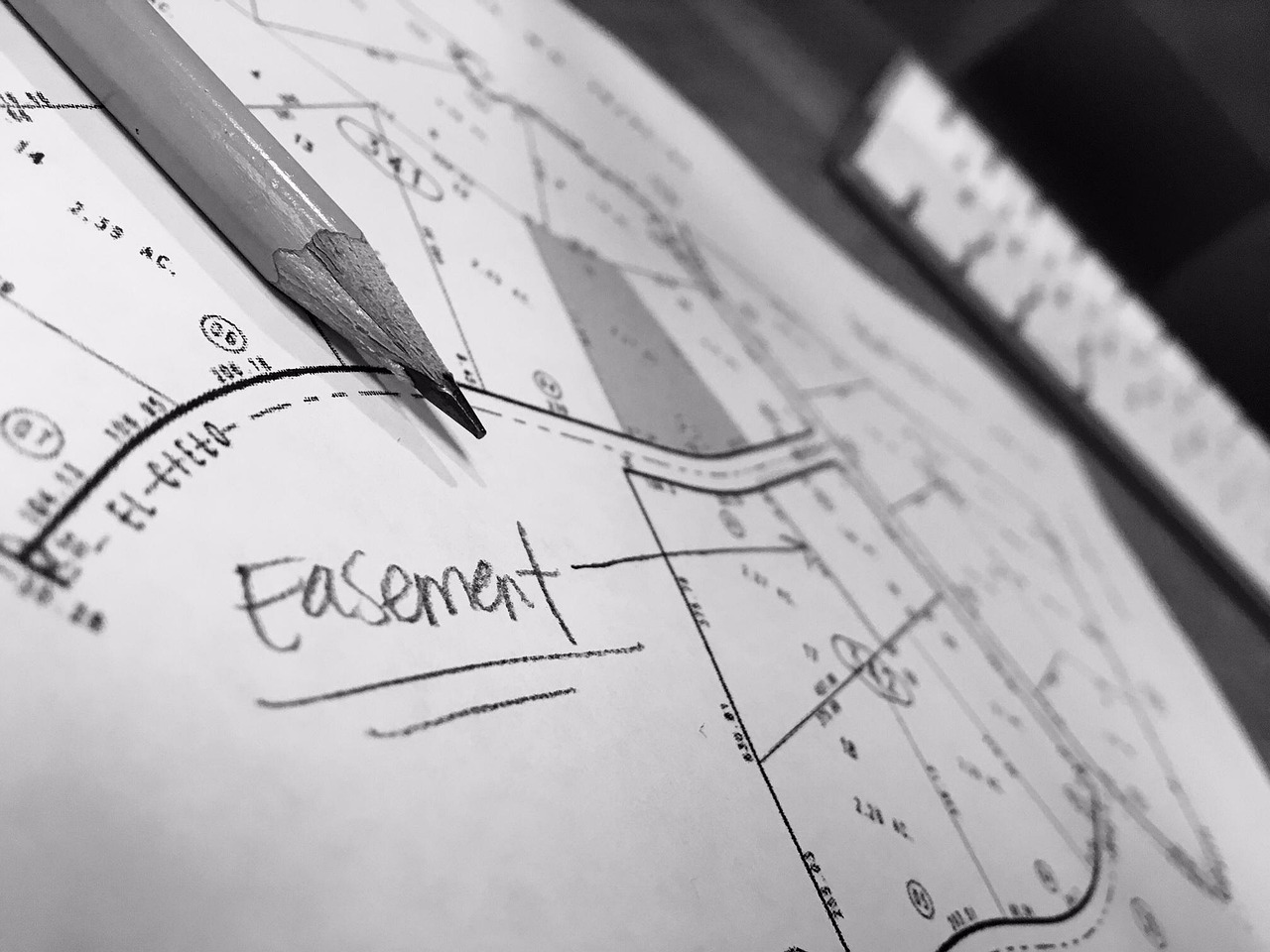
In Canadian real estate development, title searches can reveal restrictions that make or break project viability. A single charge or covenant can limit height, use, or density even when zoning says it’s permitted. Here’s how one near-miss reminded a young development manager why every item on the checklist matters.
Did You Follow the Checklist?
The new development manager was feeling confident. Zoning checked out. The city liked the concept. It was time to move forward.
“Alright,” I asked, “what’s next on your checklist?”
They flipped to Legal Encumbrances.
No easements. No right-of-ways. Just one old design guideline on title.
“Any impact to development?” I asked.
“Mmm… doesn’t look like it. Probably nothing.”
Then they read closer.
Maximum building height: 20 feet.
At 20 feet, the numbers didn’t work. No profit. No project.
The zoning was fine. The city supported it. But one buried sentence in an old charge could have shut it all down.
Fortunately, they followed the checklist and caught it early enough to get the restriction removed in time.
The project stayed on track and that development manager was able to sleep at night.
The title constraint almost delayed the project and eroded profits, but instead, the development manager resolved the issue and is now trusted with even larger development projects.
Could Your Project Benefit From Expert Guidance?
If you’d like confidence before moving forward, SiteMentor Development Consultants provide industry-best development feasibility reports that identify what your property can realistically support, highlights potential constraints, and helps you determine the development strategy that makes the most sense for your goals.


